

40 inch bathroom mirror
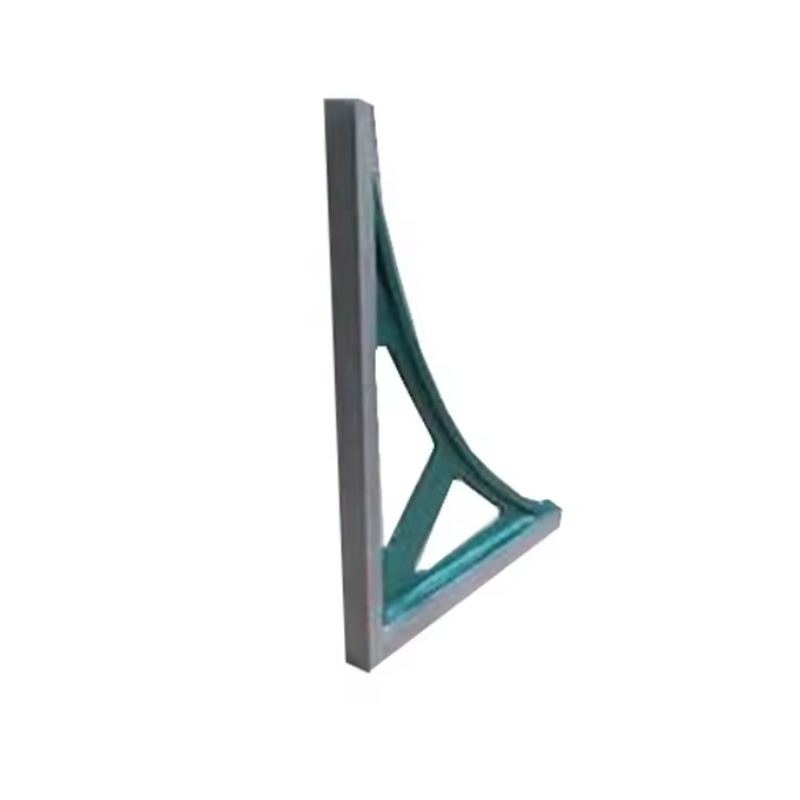
Measuring Tools in Metal Work Essential Instruments for Precision In the world of metalworking, precision and accuracy are paramount. Whether it's crafting intricate components for machinery or fabricating custom parts for artistic projects, the measurements taken during the production process can significantly impact the final outcome. To achieve the desired level of quality, metalworkers rely on an array of measuring tools specifically designed for the trade. Understanding these tools and their applications is crucial for anyone involved in metalwork. 1. Calipers Versatility in Measurement Calipers are one of the most versatile measuring tools used in metalworking. Available in various forms—such as vernier calipers, digital calipers, and dial calipers—they allow metalworkers to measure the internal and external dimensions of a workpiece, as well as depths. The precision of calipers can range from 0.01mm to 0.001mm, making them invaluable for tasks requiring high accuracy. Digital calipers, in particular, have gained popularity due to their ease of use and clear digital displays, eliminating the need for manual reading and minimizing errors. 2. Micrometers For Extreme Precision When it comes to achieving even greater accuracy, micrometers are the tool of choice. These instruments are designed primarily for measuring small dimensions with remarkable precision—typically up to 0.001mm. The most common types include outside micrometers, inside micrometers, and depth micrometers, each serving a specific purpose in the measurement process. Outside micrometers measure the thickness or diameter of an object, whereas inside micrometers gauge the internal dimensions. Depth micrometers, on the other hand, are ideal for measuring hole depths or recesses. Given their sensitivity and accuracy, micrometers are essential for high-precision metalworking tasks. 3. Tape Measures Quick and Efficient Measurements Tape measures are perhaps the most recognizable measuring tool and are widely used in metalwork for quick and efficient measurements over longer distances. Industrial-grade tape measures are typically made from durable materials that can withstand rough handling and environmental wear. When measuring larger workpieces, a good-quality tape measure becomes indispensable, allowing metalworkers to quickly assess lengths, widths, and other dimensions without fuss. measuring tools in metal work 4. Squares Ensuring Right Angles Achieving precise angles is critical in metal fabrication, and layout squares (or framing squares) play an important role in ensuring components are cut at the correct angles. These tools come in various sizes, and many are made of heavy steel for stability. Metalworkers use squares not only for checking right angles but also for laying out lines on metal surfaces, making them essential for creating straight cuts and accurate assemblies. 5. Levels Maintaining Alignment In addition to measuring lengths and angles, maintaining alignment is crucial in metalwork. Levels, including spirit levels and laser levels, help workers ensure their setups are perfectly aligned. Whether during the assembly of structures or the calibration of machines, levels provide a necessary check, allowing metalworkers to align components correctly before securing them. 6. Protractors Measuring Angles Accurately For projects that require the measurement of angles, protractors are indispensable. These tools allow metalworkers to precisely measure and layout angles on materials. Modern protractors may also include digital displays for easy reading, which can dramatically reduce the chances of error during the measurement process. Conclusion In conclusion, the importance of precise measurements in metalworking cannot be overstated. The right measuring tools not only enhance the quality of the final product but also improve efficiency and reduce material waste. By incorporating a range of measuring instruments—calipers, micrometers, tape measures, squares, levels, and protractors—metalworkers can achieve the high standards required in today’s demanding manufacturing environments. Embracing these tools will undoubtedly elevate one's proficiency in metalworking, leading to more successful and satisfying results.
about
40 inch bathroom mirror
Locating Your Water Shut-Off Valve A Step-by-Step Guide Finding your water shut-off valve is a crucial skill for every homeowner. This valve is the first line of defense against plumbing emergencies, such as a burst pipe or a malfunctioning appliance. Knowing where it is and how to operate it can save you time, money, and stress during a crisis. Here’s a step-by-step guide on how to locate your water shut-off valve. Understanding the Purpose The water shut-off valve controls the flow of water into your home. In the event of a leak or burst pipe, turning off this valve can prevent further damage. It's advisable to familiarize yourself with its location before an emergency arises. While most homes have a main shut-off valve, you may also find individual shut-off valves for specific fixtures. Common Locations 1. Basement or Crawl Space If your home has a basement or crawl space, the shut-off valve is likely located near the front foundation wall. Look for a pipe that comes out of the floor or wall, which often connects to the municipal water line. 2. Utility Room In homes without a basement, the valve might be found in a utility room or laundry area. Check around the water heater and other appliances. 3. Outside the Home Some homes may have an external shut-off valve . This valve is typically found close to the foundation, below ground level, and may be covered by a removable lid. It’s essential to clear any debris to access it quickly. locating water shut off valve 4. Near the Water Meter If you have a water meter, the shut-off valve is usually located directly adjacent to it. This is often where water enters your home, so keep an eye on this area. Identifying the Valve Most water shut-off valves are either gate valves or ball valves. A gate valve has a round wheel handle, while a ball valve features a lever handle. Understanding the type of valve you have is important for knowing how to operate it. To turn off a gate valve, you typically need to turn the handle clockwise several times, while a ball valve requires a quarter turn. Testing the Valve Once you've located your shut-off valve, it’s wise to test it periodically. Simply turn it off and then back on to ensure it operates smoothly. This will also help keep it from seizing up over time. Emergency Preparedness In addition to knowing the location of your water shut-off valve, it’s useful to inform all household members about its position and operation. Consider labeling the valve or putting a small sign near it to remind everyone where to find it quickly. In conclusion, locating your water shut-off valve is essential for all homeowners. Whether in the basement, utility room, or outside, knowing how to find and operate this valve can make a significant difference during a plumbing emergency. Take a few moments to identify and test your shut-off valve today, ensuring peace of mind for you and your family when a crisis strikes. Remember, a little preparation can save you from a lot of frustration later on.
-

High quality industrial productsagement

High quality industrial products
View Details -

Meet the diverse needs of customers

Meet the diverse needs of customers
View Details -

Strict quality control

Strict quality control
View Details -

Top raw materials

Top raw materials
View Details -

Trusted supplier

Trusted supplier
View Details
Our application


news and information
Y Type Strainer Function
In the world of fluid mechanics and piping systems, maintaining the efficiency and longevity of equi
Versatile Welding Table Clamps for Secure and Efficient Metalworking Projects
The Versatility of 5 8% Welding Table Clamps Welding is a critical process in numerous industries, r
vertical guide rails
Understanding Vertical Guide Rails A Key Component in Industrial Design Vertical guide rails are cru
 English